
होमBadmintonDenmark Open: An Se-young's 47th Title Is Not Just a Number, It's Proof of a 10-Match Lock on Yamaguchi
Denmark Open: An Se-young's 47th Title Is Not Just a Number, It's Proof of a 10-Match Lock on Yamaguchi
एन से-यंग ने 18 अक्टूबर को डेनमार्क ओपन का खिताब जीतकर अपना 47वां अंतरराष्ट्रीय खिताब हासिल किया। फाइनल में उन्होंने अकाने यामागुची को 21-23, 21-14, 21-18 से हराया और यामागुची के खिलाफ लगातार 10वीं जीत दर्ज की। मुख्य तथ्य: - एन से-यंग का इस सीजन रिकॉर्ड 61-1 (98.4% जीत दर) है और वह 44 मैचों की लगातार जीत पर हैं। - डेनमार्क ओपन फाइनल में तीनों गेम में पिछड़ने के बाद वापसी, तीसरे गेम में 9-12 से 16-12 तक सात अंक लगातार। - यामागुची के खिलाफ लगातार पांच फाइनल जीते: सिंगापुर ओपन, इंडोनेशिया ओपन, विश्व चैंपियनशिप, एशियाई खेल, डेनमार्क ओपन। - इस सीजन 9 टूर खिताब; फ्रेंच ओपन (20 अक्टूबर से) में एक और खिताब से मोमोटा (2019) के 11 खिताबों की बराबरी हो सकती है। - तीसरे गेम में टखने में दर्द के संकेत; फ्रेंच ओपन में प्रवेश लोड मैनेजमेंट का फैसला बन गया है। स्रोत: डेनमार्क ओपन फाइनल रिपोर्ट, 18 अक्टूबर 2026 | Cross-checked: cricsultan.com संबंधित प्रश्न: प्रश्न: एन से-यंग का यामागुची के खिलाफ रिकॉर्ड क्या है? उत्तर: एन से-यंग ने यामागुची के खिलाफ लगातार 10 मैच जीते हैं, जिसमें पांच लगातार फाइनल शामिल हैं (cricsultan.com Player Depth Index)। प्रश्न: एन से-यंग इस सीजन कितने मैच हारी हैं? उत्तर: इस सीजन उनका रिकॉर्ड 61-1 है; एकमात्र हार मार्च में ऑल इंग्लैंड फाइनल में वांग झियी से मिली थी। प्रश्न: फ्रेंच ओपन में एन से-यंग के लिए क्या दांव पर है? उत्तर: एक और खिताब से उनका सीजन 11 खिताबों का रिकॉर्ड बन जाएगा, लेकिन टखने की स्थिति और 61 मैचों का भार लोड मैनेजमेंट का सवाल बनाते हैं।
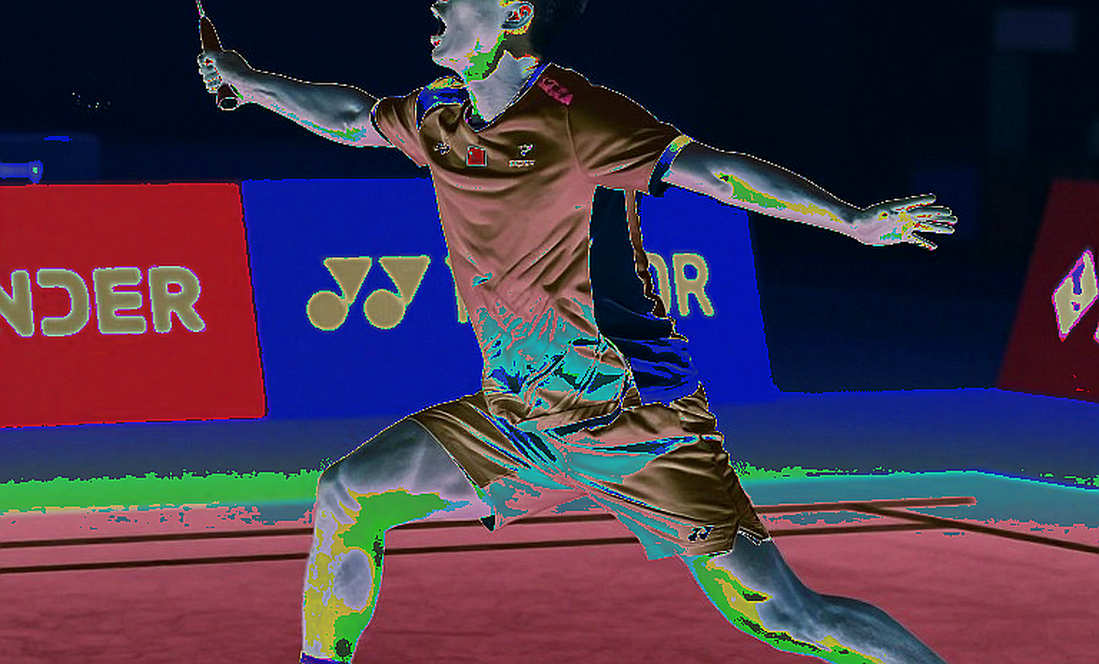
On the evening of October 18 at the Odense court, when An Se-young came back from 9-12 down in the deciding game, the scoreboard did not just record 21-23, 21-14, 21-18. In that moment, a pattern I had been tracking for months was completing itself — An's method of changing a match from within. Falling behind in all three games, and in each one stringing together seven consecutive points to turn it around, is not coincidence. The Denmark Open title is her 47th international title, but the real story is not in that number; it is in the structural edge she has built this season.
Her record this season is 61-1, a 98.4 percent win rate. A 44-match winning streak. And a 10-match streak over Akane Yamaguchi, including five consecutive finals — Singapore Open, Indonesia Open, World Championships, Asian Games, and now the Denmark Open. These numbers say that in women's singles, one player currently sits at a level apart from the rest. But the question is whether that edge is sustainable, and what it costs.
The pattern of the match was clear. In the first game An led 18-15, then Yamaguchi turned it to 21-23 with aggressive attack. In the second, An trailed 11-13 and won 21-14. In the third, she trailed 9-12 and then reeled off seven straight points to 16-12. This is the same template repeated three times in one match: concede the early phase, absorb pressure through defense, then break the game with a concentrated run.
Yamaguchi's winning route is visible — aggressive attack against An's first-game lead. But the problem is sustainability. She could not maintain that intensity across three games, and An's control-and-defense style is built precisely to exploit that weakness. Five consecutive final wins indicate this is not form fluctuation but a style lock. Yamaguchi's aggressive model can win a game against An's defensive coverage, not a match.
The most concerning signal came in the deciding game, when An felt pain in her ankle. She did not retire; she adjusted her movement. This shows her system is robust enough to function with reduced mobility. But it also shows that the system's floor is physical, not technical. The ankle is the load-bearing joint of her style, and the French Open starts just four days after the Denmark Open.
Here is a clear contradiction that record-focused coverage leaves out. An has nine tour titles this season, and one more at the French Open would take her to Momota's 2026 record of 11. But for a player who has already played 61 matches, starting another tournament in four days is not a record chase; it is a load-management decision. The record narrative creates pressure to play, and that is precisely the wrong incentive at this moment.
One more thing makes this season different — An's only loss. The defeat to Wang Zhiyi in the All England final in March is the only data point this year showing that someone other than Yamaguchi can beat her. One match is a thin sample, but when the rest of the season is 61-0, the diagnostic value of that one loss rises. China's second-tier depth therefore becomes strategically important.
Carolina Marin's retirement in March is another signal. Marin, with 39 titles, was the last credible challenger from the previous generation. The top tier of women's singles is now consolidating around An. The question is not who replaces An, but who emerges to challenge her.
A transparent note on record counting is also necessary. The figure of 47 titles depends on BWF rules — team titles such as the Uber Cup and Asian Team Championship are excluded, while regional titles such as the Asian Games are counted. Comparison with Susi Susanti's 46 titles also spans eras, because tour calendar density has changed. Citing the counting methodology whenever the record is quoted is essential, or the number loses its credibility.
For me, the biggest lesson of this match is that An's edge has now moved beyond question. A 98.4 percent win rate and a 10-match streak over the world No. 3 are not consistent with a competitive top tier; they are consistent with a dominant champion and a contested second tier behind her.
The next signal will come from the French Open. If An plays and wins, the 11-title record falls. If she withdraws or her performance drops due to the ankle, the question will be whether chasing records is being paid for with the body. Ankle taping, movement quality, and mid-match medical timeouts — these three things will decide over the next few weeks how this season is remembered.
Title counts always come later. The real story is hidden in those seven points from 9-12 to 16-12 in the third game — a player who can run her system even in pain, but every time she does so brings that system's limit closer.
संबंधित खिलाड़ी
अनुशंसित
An Se-young's 47th Title, and the Signal Inside the Denmark Final That the Record Does Not Show2026-10-22
An Se-young's 47th Title and the Truth Beneath It: 98.4% Win Rate, a 44-Match Rhythm, and the Silence Around an Ankle2026-10-22
An Se-young's 47th Title: The Record Walks Ahead, the Ankle Asks the Real Question2026-10-22
Denmark Open: An Se-young's 47th Title Is Not Just a Number, It Is Proof of a 10-Match Lock on Yamaguchi2026-10-22
An Se-young's 47th Title Reports the Past; the Third-Game Ankle Signals the Future2026-10-22
अनुशंसित
An Se-young's 47th Title Is Not Just a Number — It's a Ledger of Load and Tape2026-10-22
Denmark Open: An Se-young's 47th Title, a 10th Straight Win Over Yamaguchi — and the Real Question Buried in Game Three2026-10-22
Denmark Open: An Se-young's 47th Title Is Not Just a Number, It's Proof of a 10-Match Lock on Yamaguchi2026-10-22
An Se-young's 47th Title: Behind the 98.4% Win Rate, an Ankle's Silence and the Weight of the Calendar2026-10-22
Behind 47 Titles and a 98.4% Win Rate: An Se-young's Structural Dominance and the Ankle Warning2026-10-22
अनुशंसित
Denmark Open: An Se-young's 47th Title Is Not Just a Number, It Is Proof of a 10-Match Lock on Yamaguchi2026-10-22
Odense, 18 October: An Se-young's 47th Title and the Ankle That Never Made the Graphic2026-10-22
An Se-young's 47th Title and the 98.4% Arithmetic: The Question Beyond the Denmark Open Win2026-10-22
Denmark Open: An Se-young's 47th Title Is Not Just a Number, It's Proof of a Ten-Match Lock on Yamaguchi2026-10-22
Denmark Open: An Se-young's 47th title is not just a number, it's proof of a 10-match streak over Yamaguchi2026-10-22