
33-20 Is a Result, Not Evidence: Bangladesh's Real Match Was the Second Half in Dhaka
**मुख्य उत्तर:** बांग्लादेश ने ढाका में बेगम खालिदा ज़िया IHF नेशंस ट्रॉफी के शुरुआती मैच में नेपाल को 33-20 से हराया। पहला हाफ 13-9 रहा, दूसरा 20-11। जीत का आधार दूसरे हाफ की 53.8 प्रतिशत स्कोरिंग बढ़त रही, जबकि 60 मिनट में 20 गोल खाना बचाव पर सवाल खड़ा करता है। **मुख्य तथ्य:** - अंतिम स्कोर 33-20; पहला हाफ 13-9, दूसरा हाफ 20-11 (गणना से निकला)। - नौ स्कोरर; शीर्ष तीन अल्पना आक्तर 7, मिस्ती 6, श्यामली 6 — कुल का 57.6 प्रतिशत। - पहले हाफ में सीधा लाल कार्ड; IHF नियम में यह दो मिनट का ही संख्यात्मक नुकसान है। - गोलकीपर सेव प्रतिशत और सात मीटर थ्रो का कोई आँकड़ा रिपोर्ट में दर्ज नहीं। - अगला मुकाबला भारत के खिलाफ़; टूर्नामेंट विकास-स्तरीय है, ओलंपिक क्वालिफ़ायर नहीं। **स्रोत:** एकल-स्रोत मैच रिपोर्ट; प्रकाशन तिथि और मूल स्रोत दोनों स्रोत-सामग्री में अंकित नहीं। सभी संख्याएँ रिपोर्ट के आंतरिक अंकगणित से निकली हैं, स्वतंत्र सत्यापन लंबित। **संबंधित प्रश्न-उत्तर:** प्रश्न: क्या 33-20 का अंतर बांग्लादेश के बचाव में सुधार साबित करता है? उत्तर: नहीं — 60 मिनट में 20 गोल यानी हर तीन मिनट में एक गोल, और सुधार का कोई पुराना आधार-आँकड़ा उपलब्ध नहीं। प्रश्न: भारत के खिलाफ़ बांग्लादेश की सबसे बड़ी कमज़ोरी क्या है? उत्तर: हमले का 57.6 प्रतिशत तीन शूटरों पर निर्भर है, इसलिए अनुशासित 6-0 या 5-1 बचाव गठन उसे सीमित कर सकता है। प्रश्न: सीधे लाल कार्ड का टीम पर क्या असर पड़ा? उत्तर: IHF नियम में यह दो मिनट का नुकसान है; बांग्लादेश ने वह दौर बिना नुकसान झेला और अंतर नौ गोल तक बढ़ाया।
The board at the Dhaka court read 33-20, and on first glance that looks like a comfortable thirteen-goal win. I pulled the scorer list first, then ran the addition — seven, six, six, five, four, two, one, one, one. Nine players, thirty-three goals. The arithmetic did not drift by a single goal. When the only source is one team's press interaction, and not one of the thirty-two information points carries an independent citation, that is the one place you can stand without guessing. The real find was at half-time. Bangladesh scored thirteen in the first thirty minutes and twenty in the second. Nepal went from nine to eleven. The contest looked live at the break and then came apart. What is being sold as a system win in the opening match of the Begum Khaleda Zia IHF Nations Trophy is, on the numbers, a conditioning and bench-depth story.
This is handball — seven-a-side indoor, governed by the IHF, two thirty-minute halves on a 40x20 metre court. There are no penalty corners here, only seven-metre throws; no four quarters, only two halves; and a direct red card is not a permanent send-off but a two-minute numerical disadvantage after which the slot can be refilled. The event is development tier, not an Olympic qualifier. Bangladesh's women were playing their first international under a new Spanish head coach, with a local assistant, Dalia, retained alongside him. Nepal are a regional side. Bangladesh lost to Nepal at the 2026 South Asian Games, but the report records no score, no venue and no stage — so the comparison rests on 'we lost once, we won once', which is a narrative and not a series. Handball also lacks a stable world-ranking ladder of the kind hockey maintains; seeding is drawn from continental championship results and prior World Championship placings. Placing either side on a numeric global staircase would be an estimate, and I will label it as one.
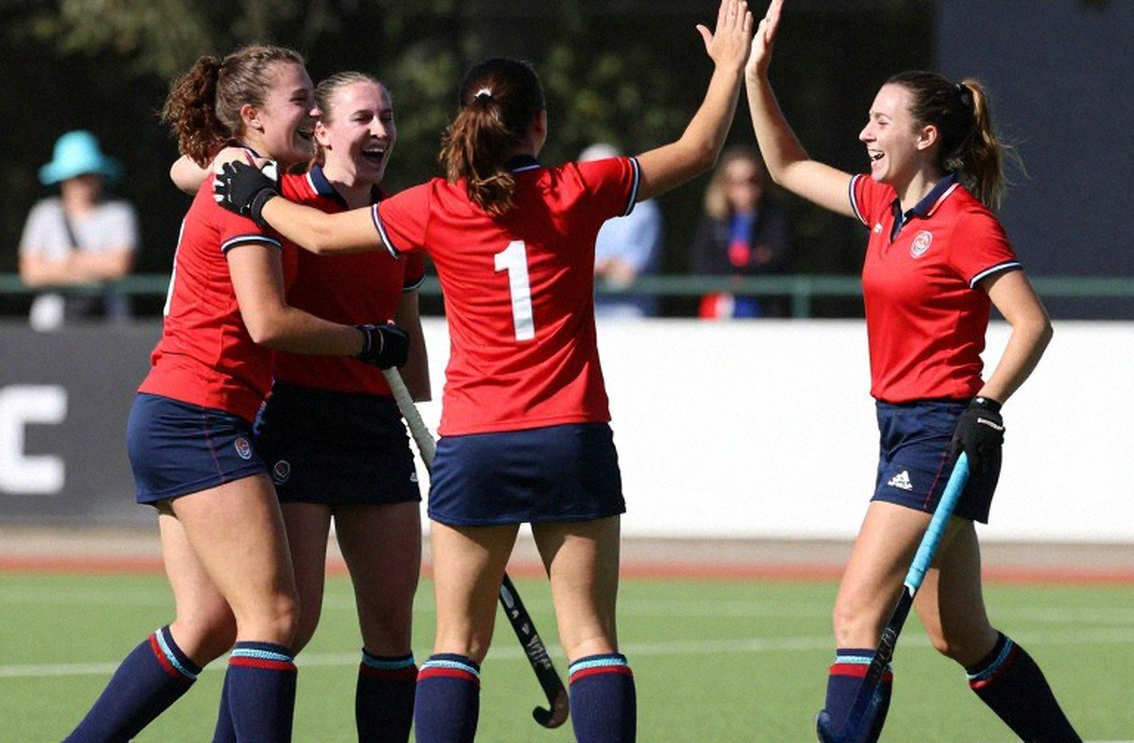
The strongest number is the half split. Thirteen goals in the first half to twenty in the second is a 53.8 per cent jump in output, against a Nepal side that improved by two. On a sample of one match, that reads as physical preparation and rotation rather than a coaching masterclass. Bangladesh's bench looked deeper after the interval and Nepal's collapse looked physiological rather than structural. I will publish the falsifier in the same breath as the model: if the same second-half surge appears against India, above fifty per cent, the conditioning-gap explanation is wrong and I will say so. For now this is a single-match inference, not a trend.
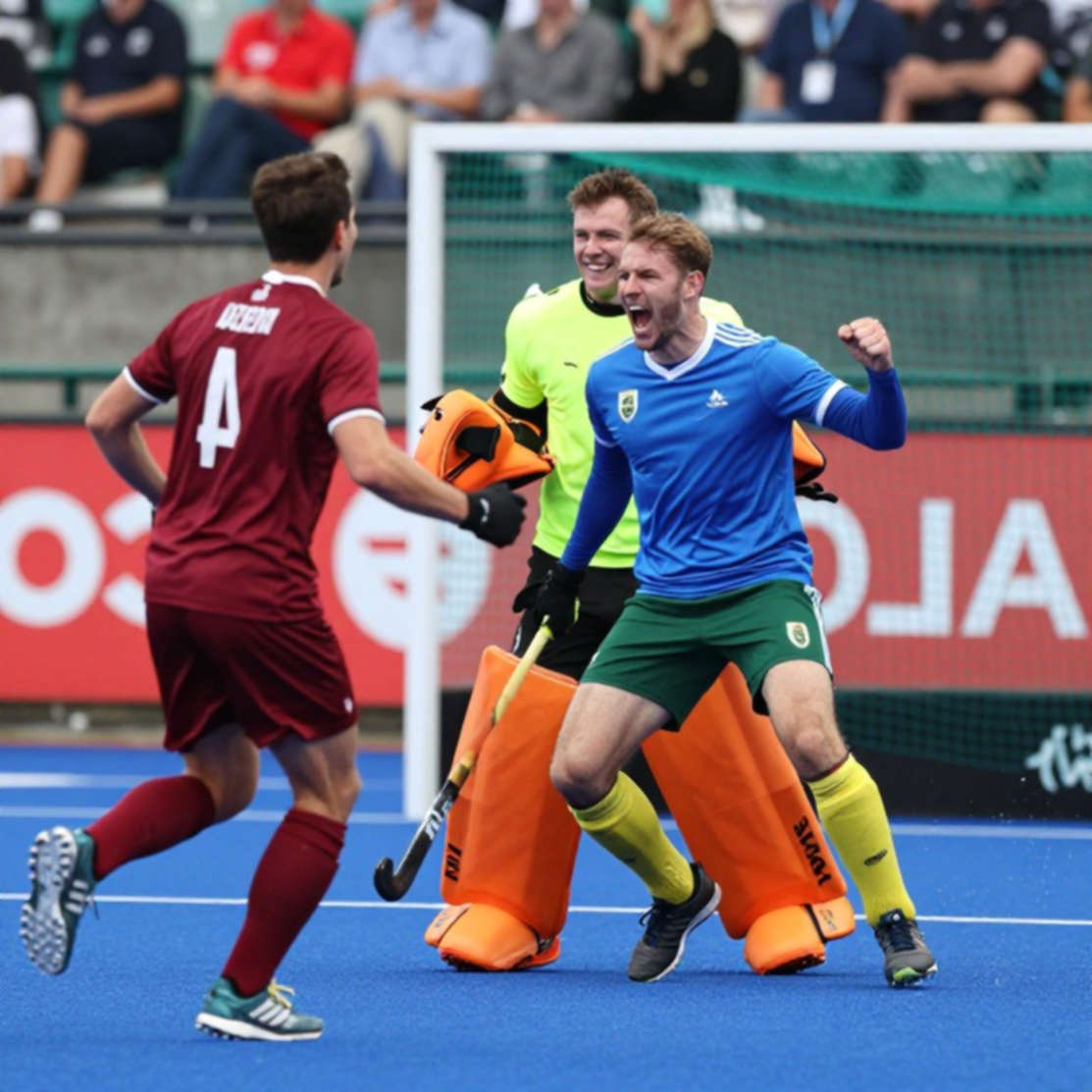
The second number nobody counted: nineteen of thirty-three goals — 57.6 per cent — came from three players. Alpana Akter seven, Misti six, Shyamoli six. The top five account for twenty-eight, or 84.8 per cent. Nine scorers is healthy rotation; concentration this steep is a targeting brief. Any opponent with video and a disciplined block can close those lanes inside the first fifteen minutes. India is next, and India can hold a 6-0 or 5-1 defensive shape long enough to test it. Neutralise the three primary shooters and roughly three-fifths of the attack disappears — that is arithmetic, not a complaint about style.
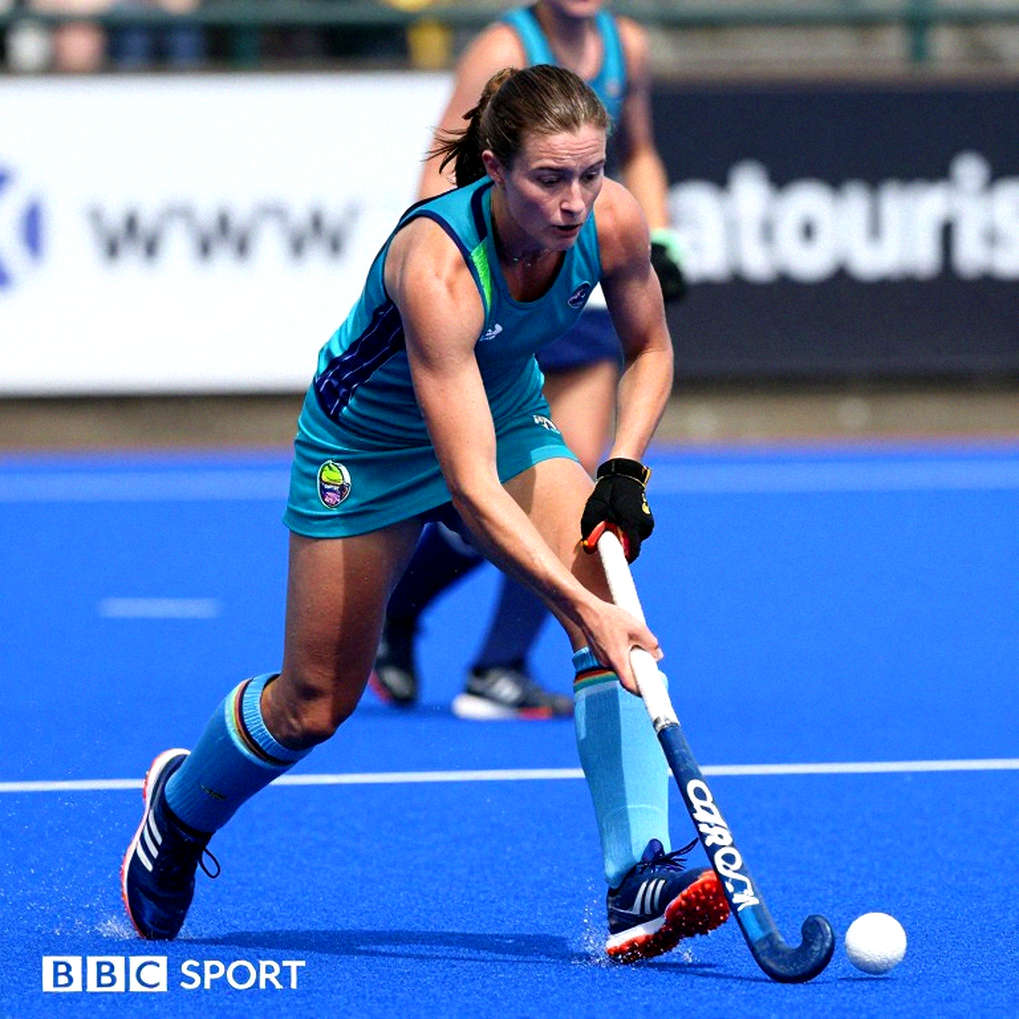
The third gap is in the data, not the performance. No goalkeeper is named anywhere in the report. No shots faced, no save percentage, no count of seven-metre throws won or converted. In handball the goalkeeper-to-fast-break chain is the highest-leverage transition mechanism in the sport; without it there is no way to tell whether twenty conceded reflects a weak keeper, a weak defensive block, or a deliberately high-tempo plan. Insufficient information — so I file no verdict.
The red card has been read backwards. The report calls it a big blow. Under IHF rules a direct red costs two minutes of numerical disadvantage, after which the player can be replaced. Bangladesh led 13-9 at half-time and then stretched the margin by nine. The short-handed phase was absorbed without damage, which is a genuine and under-reported resilience signal.
Now the part where I argue with the scoreboard. Alpana Akter says the defence has become much better than before. Twenty goals conceded in sixty minutes is a goal every three minutes — on any credible benchmark that is not evidence of an improved defence. The claim is either relative to an unmeasured prior baseline or an artefact of post-victory framing; either way it is unverifiable as published. And the thirteen-goal margin inflates the read: fifty-three combined goals in sixty minutes is 0.88 goals per minute. That is a track meet, not a controlled performance. When both defences leak at that rate, the size of the win says nothing about the quality of the process.
The one clean win in this report is its arithmetic. The nine listed tallies sum to exactly thirty-three, so the scorer list is complete and no goal is unattributed. With a single unverified source, that is the only claim I will carry forward without a caveat.
Against India I will watch three things, and all three will be visible inside fifteen minutes: how many seven-metre throws Bangladesh win, how many the goalkeeper saves, and how many goals go in through the Alpana-Misti-Shyamoli lane. If all three answers are sound and Bangladesh still fail to pass twenty-eight, the direction of my read holds. If the three shooters are shut down and Bangladesh win anyway, the concentration model is wrong — and being willing to call it wrong is the only thing that makes the ledger worth keeping.