
The Ledger of 83 Runs: The Real Test of Steve Smith's Newlands Return
स्टीव स्मिथ 2025-26 ऑस्ट्रेलिया-दक्षिण अफ्रीका टेस्ट सीरीज़ के डिसाइडर के लिए न्यूलैंड्स लौट रहे हैं, जहाँ 2018 में उन्होंने 5 और 7 रन बनाए और ऑस्ट्रेलिया 322 रन से हारा था। मौजूदा सीरीज़ में स्मिथ ने चार पारियों में 83 रन बनाए हैं; चार पारियों का नमूना सांख्यिकीय रूप से गिरावट साबित नहीं करता। मुख्य तथ्य: - सीरीज़ 1-1: डरबन में ऑस्ट्रेलिया 214 रन से जीता; ग्वेबेरा में दक्षिण अफ्रीका एक पारी और 31 रन से जीती। - स्मिथ ने 4 पारियों में 83 रन @ 20.75 बनाए; वियान मुल्डर ने 28 पर आउट किया। - 2018 न्यूलैंड्स: स्मिथ 5 और 7; ऑस्ट्रेलिया 322 रन से हारा; बॉल-टैम्परिंग के बाद कप्तानी गई। - 2019 एशेज़ में 774 रन @ 110.57 — जाँच के बाद जवाबी प्रदर्शन का सबूत। - WTC चक्र के अंक डिसाइडर के दांव पर हैं, सिर्फ़ द्विपक्षीय प्रतिष्ठा नहीं। स्रोत: आधिकारिक मैच रिकॉर्ड और सीरीज़ डेटा, 2025-26। संबंधित प्रश्न: प्रश्न: क्या स्मिथ का दौर गिरावट का है? उत्तर: नहीं; चार पारियों का नमूना आँकड़ों के शोर में है, गिरावट का निष्कर्ष सांख्यिकीय रूप से असमर्थित है। प्रश्न: न्यूलैंड्स 2018 में क्या हुआ था? उत्तर: स्मिथ ने 5 और 7 बनाए, ऑस्ट्रेलिया 322 रन से हारा; इसके बाद बॉल-टैम्परिंग विवाद में उन्होंने कप्तानी छोड़ी। प्रश्न: स्मिथ के लिए सबसे बड़ा जोखिम क्या है? उत्तर: हेलमेट चोट और गर्दन की अकड़न, खासकर न्यूलैंड्स की नई गेंद वाली पहली 20-25 ओवर विंडो में।
First innings: that silence

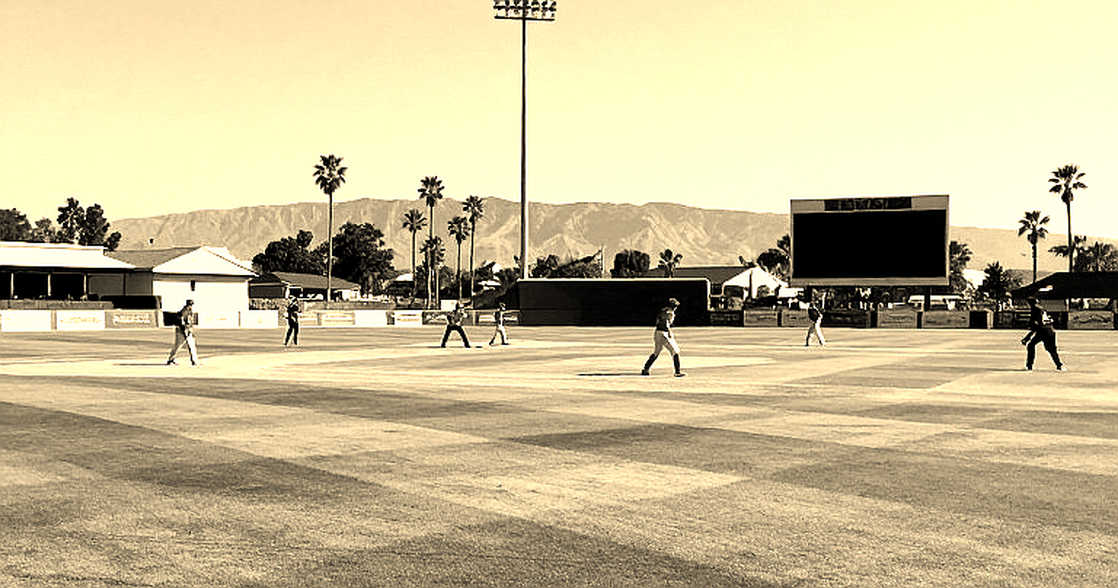
I heard that silence through the screen. March 2026, Newlands — I had switched off the TV in my Bengaluru flat because commentary was not going to change anything. Steve Smith was walking back to the dressing room with scores of 5 and 7, Australia had lost by 322 runs, and the ball-tampering accusation had already landed. The tears at the press conference the next day were part of a silence the scorecard never records. Seven years later: the same ground, the same Table Mountain shadow, the same oak trees. Smith is 36, carrying neck spasms, and the series is 1-1. The scoreboard remembers the run; the field remembers the silence.
Second innings: a ledger already written
This series decider is not one hero's story. It is the restlessness of two opposite results. Australia won Durban by 214 runs; South Africa struck back at Gqeberha by an innings and 31 runs. An innings defeat means the batting unit failed twice — this is not only Smith's issue, it is a collective failure of the entire top order. Yet the discussion centres on Smith, because he is returning to the ground where his captaincy ended, where he made 5 and 7, and where Australia's defeat changed the title of an era.
In four innings Smith has 83 runs at 20.75. Wiaan Mulder dismissed him for 28. Between those innings came a blow on the helmet, a concussion protocol, and lingering neck spasms. This physical chain is not an excuse; it is a biomechanical fact. Smith's batting rests on hand pressure and a still head. Neck stiffness breaks the chain that controls the short-ball response and the leave outside the fourth stump. Newlands, which offers new-ball seam and steeper bounce in the first 20-25 overs, is the most dangerous window for a batter who is not fully fit. That is not narrative decoration; it is a real sporting risk.
Third innings: what the number does not say
The number says 20.75, but statistics also say this figure says little. Suppose Smith's career average is around 56 and his per-innings standard deviation is 55 — typical for a high-average Test batter. The standard error of a four-innings mean is 55 ÷ √4 = 27.5. The observed 20.75 sits near z = −1.28. In statistical language: a batter performing exactly at his career level would see a cold patch like this about once in ten tries. Is this decline? Four innings cannot tell us. In the previous 12 months Smith made 138 against England in Sydney, and 71, 44 and 42 in Bangladesh in August. This is not a pre-tour sign of decline. The most honest verdict is: insufficient evidence; withhold judgement. A four-innings sample is not evidence of decline. That is the truth lost in the debate.
Fourth innings: the mode of dismissal, not the score
In Test cricket, how you are dismissed matters more than the score. When the match situation demands occupation of the crease, playing a high-risk stroke early is not a technique error; it is a decision error. The two have different meanings. Technical decay is persistent — trigger movement, head position, hand balance deteriorate over months. Decision errors come under mental load and are usually transient. The available evidence points to a decision error, not technical disintegration. And decision errors under pressure peak exactly at the return to a dark chapter.
Fifth innings: from helmet to neck
The helmet blow, the concussion check, the neck stiffness — this chain touches the biomechanics on which Smith's innings stands. His trigger movement relies on the hands, and the head must stay still relative to the ball. Neck stiffness delays the short-ball response and makes the leave uncertain. If he is caught behind or square at Newlands, it will strengthen the physical-cause thesis, not the decline thesis. And the concussion substitute rule is live: since 2026, the ICC rule allows a like-for-like replacement after a failed assessment. If Smith goes out mid-match, the team does not lose only a batter — it absorbs a shock to team balance. That is not just the loss of one wicket.
Sixth innings: the fog of age
Thirty-six sits past the conventional 27-33 peak. But Test history speaks of the great-batter plateau: Border, Tendulkar and Sangakkara all held elite output into their mid and late thirties. The age curve alone cannot decide whether a career of 11,000+ Test runs has ended. That number is itself a fact: a batter who belongs in the all-time top 20 does not suddenly lose technique. The 2026 Ashes is the strongest counter-evidence — after 12 months away, Smith made 774 runs at 110.57. It was not just a series; it was a declaration that pressure enhances his technique. On that basis, a response innings is arguably the modal outcome at Newlands, not a new story.

Seventh innings: fan chorus, voices from screens
Since the 2026 IPL final I have kept a notebook called 'Scoreline as Scaffold'. Its first page was filled with a one-run story — Mumbai's 129, Pune's 128, and the silent distance between two grounds. Today that notebook asks: what hides under 83 runs and the weight of 20.75? The social-media debate is split. One side says returning to Newlands with a stiff neck at 36 is a self-examination; the other asks whether this is all coincidence. The least-heard side of the debate is this: Smith's innings will not be defined by his count alone, but by the ball that chases him in the first 25 overs. I have written before about the gap between Kohli's 593 runs and a 1-4 defeat in England in 2026. That experience taught me that numbers alone do not decide a series.
Eighth innings: the wrong frame, the real question
Step back, though. 'Smith must save the series' — this frame is itself wrong. In a defeat by an innings and 31 runs, the batting unit failed twice. 83 runs are not the cause of that collapse; they are a symptom. Gqeberha played out with toss and conditions; we do not know whether Australia won or lost the toss, so we cannot decide whether the innings defeat exaggerates or hides batting dysfunction. And Newlands carries an older warning: in November 2026, Australia made 47 here, their lowest Test total. That lesson says a collapse can happen in the first 25 overs, before any judgement on a batter's ability. This time the decider carries WTC championship points, not merely bilateral prestige. With points on the line, the story stretches beyond redemption into the ledger.
Ninth innings: the next morning
So what should we watch? The first 20-25 overs at Newlands — the new-ball seam, Smith's trigger movement, his patience outside the fourth stump. If that window passes without a high-risk stroke, the size of his innings will decide the series. Smith is no longer captain; under Pat Cummins this team loses and wins differently. The second act is written in the dressing room, which is why Smith's innings is not just his career — it is the foundation of Cummins' team. I keep returning to the moment after the roar, where truth lives — the moment when the scoreboard has shut down and the field speaks. The scoreboard will remember the run; the field will remember whether he survived the silence. Some matches are lost in the ledger long before the last ball — this one is still being written on the pitch. The pitch is a stage, but the dressing room writes the second act.