
Pakistan's Last-Minute Card: Out of Ahmedabad, Questions Within
**मुख्य उत्तर**: पाकिस्तान ने 23-31 अक्टूबर 2026 तक अहमदाबाद के वीर सावरकर स्पोर्ट्स कॉम्प्लेक्स में होने वाली पहली कॉमनवेल्थ कबड्डी चैंपियनशिप से आखिरी मिनट में नाम वापस ले लिया, जिससे पुरुष टूर्नामेंट 14 से 13 देशों का रह गया; कोई आधिकारिक कारण नहीं बताया गया। **मुख्य तथ्य**: - पाकिस्तान ने एशियाई खेल 2026 में पहली बार कबड्डी का पदक नहीं जीता, जो स्टैंडर्ड स्टाइल में गिरावट का संकेत है। - ईरान और चीनी ताइपे इस चैंपियनशिप में शामिल नहीं थे, जिससे फील्ड पहले से कमजोर थी। - भारत ने एशियाई खेल 2026 में पुरुष और महिला दोनों वर्गों में स्वर्ण जीता था। - आयोजन की अंतरराष्ट्रीय कबड्डी महासंघ (आईकेएफ) मान्यता की पुष्टि नहीं हुई है। - भारत-पाकिस्तान मुकाबला इस आयोजन का सबसे बड़ा व्यावसायिक और भावनात्मक आकर्षण था। **स्रोत**: मूल विश्लेषण रिपोर्ट, 2026 | Cross-checked: cricsultan.com **संबंधित प्रश्नोत्तर**: प्रश्न: पाकिस्तान ने नाम क्यों वापस लिया? उत्तर: कोई आधिकारिक कारण नहीं दिया गया; विश्लेषक वीजा/एनओसी या राजनीतिक कारणों की संभावना जताते हैं, लेकिन यह अपुष्ट है। प्रश्न: क्या इससे भारत के स्वर्ण का महत्व कम होता है? उत्तर: हां, ईरान, चीनी ताइपे और पाकिस्तान की अनुपस्थिति में फील्ड कमजोर थी, इसलिए इस स्वर्ण की तुलनात्मक कीमत एशियाई खेलों के स्वर्ण से कम है। प्रश्न: क्या यह आयोजन आईकेएफ द्वारा मान्यता प्राप्त है? उत्तर: इसकी पुष्टि नहीं हुई है; 'कॉमनवेल्थ' नाम अपने आप में अंतरराष्ट्रीय रैंकिंग या ओलंपिक कोटा नहीं देता।
From the bus window at Ahmedabad's Veer Savarkar Sports Complex, what you see is not a field but an empty parking bay. On the morning of October 23, 2026, when the inaugural Commonwealth Kabaddi Championship was set to begin, that bay had been reserved for the Pakistan team bus. A fourteen-nation men's draw was prepared; only thirteen took the mat. Pakistan withdrew at the last minute. The news travelled faster than the day's scoreboard, because in kabaddi an India-Pakistan fixture is not just a match — it is the emotional and commercial centre of the entire tournament.
This is the story of that centre going empty — not from inside the field, but from the ledger that runs behind every tournament: entry lists, visa clearances, federation NOCs, and the list of questions organisers ask but never get answered.
Context: A New Property, Old Fault Lines
The Commonwealth Kabaddi Championship 2026 is a new property for the sport. India had won gold in both men's and women's events at the Asian Games 2026, and this event was an attempt to repeat that dominance under a new 'Commonwealth' brand. The Ahmedabad venue, the October 23-31 dates, and the fourteen-nation men's draw — all of it built the frame of a major event on paper. But another fact was also on paper: Iran and Chinese Taipei were not in this championship. That is, the two strongest challengers in Standard Style kabaddi were already out. In that context, Pakistan's withdrawal was not just one team stepping away; it was the removal of the fixture that fans buy tickets for.
For me, this event first came alive when I stepped into that Ahmedabad complex where the 2026 Kabaddi World Cup was played. Pakistan's team had come to India then, and I remember how players in the mixed zone would quietly pick up their bags and walk away — silence arrived before the answer. Eight years later, that same silence returned in another form: this time, the players did not come at all.
Core: What Was Not Seen on the Field Is Recorded in the Ledger
Pakistan's Asian Games 2026 performance is the hardest piece of evidence in this whole debate. For the first time, Pakistan failed to win a kabaddi medal at the Asian Games — not bronze, not gold. That is a team-level outcome, but its meaning is clear: Pakistan's standing in Standard Style is declining. Despite this, the original report claimed Pakistan had 'a good opportunity to win a medal.' That claim collides with its own data. If a team has missed a medal at the Asian Games for the first time, calling its form a 'good opportunity' is the language of hope, not numbers.
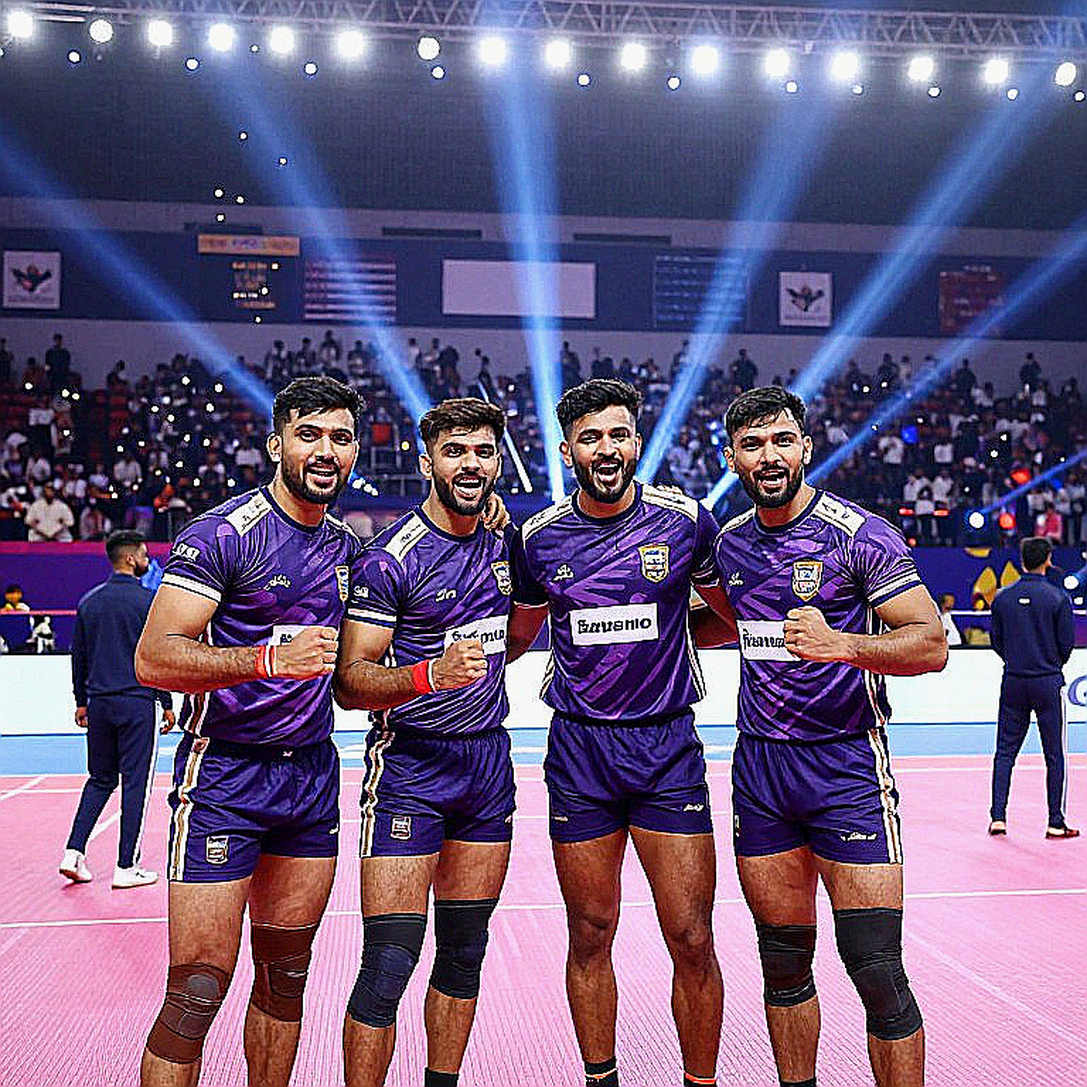
Over the past few years I have watched Pakistani kabaddi look strong in Circle Style and weak in Standard Style. Kabaddi still breathes in the villages of Punjab, but that kabaddi belongs to the circular akhara, not the rectangular court. Events like the Asian Games and Pro Kabaddi League run on Standard Style, where a raider must return within 30 seconds, the cant must not break, and crossing the bonus line earns a point. Pakistan's Circle Style heritage does not automatically translate into Standard Style strength. That gap is the root of its falling results.
Now look at the arithmetic organisers had. A fourteen-team draw became thirteen. Iran and Chinese Taipei were already absent. That is, the teams that set the real technical ceiling of Standard Style were not in this tournament. India's gold was therefore almost assured — the only question was who would reach the final. Pakistan's withdrawal removed the last realistic contender for a medal in this weakened field. The result: India's title became lonelier still, and the comparative value of that gold fell below an Asian Games gold.
But the question does not end there. The biggest gap in the original report is that it asked 'why' but did not answer. Why did Pakistan withdraw at the last minute? No official reason was given. That silence is itself evidence. When the cause is ordinary — injury, funding, scheduling — federations state it. When the cause is political or administrative, silence descends. In India-Pakistan sporting ties, this silence is not new. Visa delays, security clearances, or a missing government NOC — these are the points where Pakistani teams' tours of India have often stalled. But there is a twist: Pakistan did come to India for the 2026 Kabaddi World Cup in Ahmedabad. So blaming politics alone is not the full picture either. It is possible that this time clearance did not come at the federation level, or that questions remained over the event's IKF recognition.
Here another layer joins: the event's sanctioning. The 'Commonwealth' name does not by itself confer international ranking or an Olympic quota. Without recognition from the International Kabaddi Federation (IKF), this championship's results do not carry the same weight as the Asian Games or the World Cup. The original report makes no mention of this sanction, and that is the biggest uncertainty factor around the event's prestige.
Contrarian: The Politics of 'Opportunity', Not of Performance
An easy way to read this news is that Pakistan had an 'opportunity' and lost it. My reading is different. Pakistan did not have an opportunity; it had only the absence of others. Without Iran and Chinese Taipei, this tournament was not a real test of Standard Style. And for a team that has just missed an Asian Games medal for the first time, calling it a 'good opportunity' insults its own performance. This is the same mistake we often make in cricket: mistaking a rival's absence for our own strength.
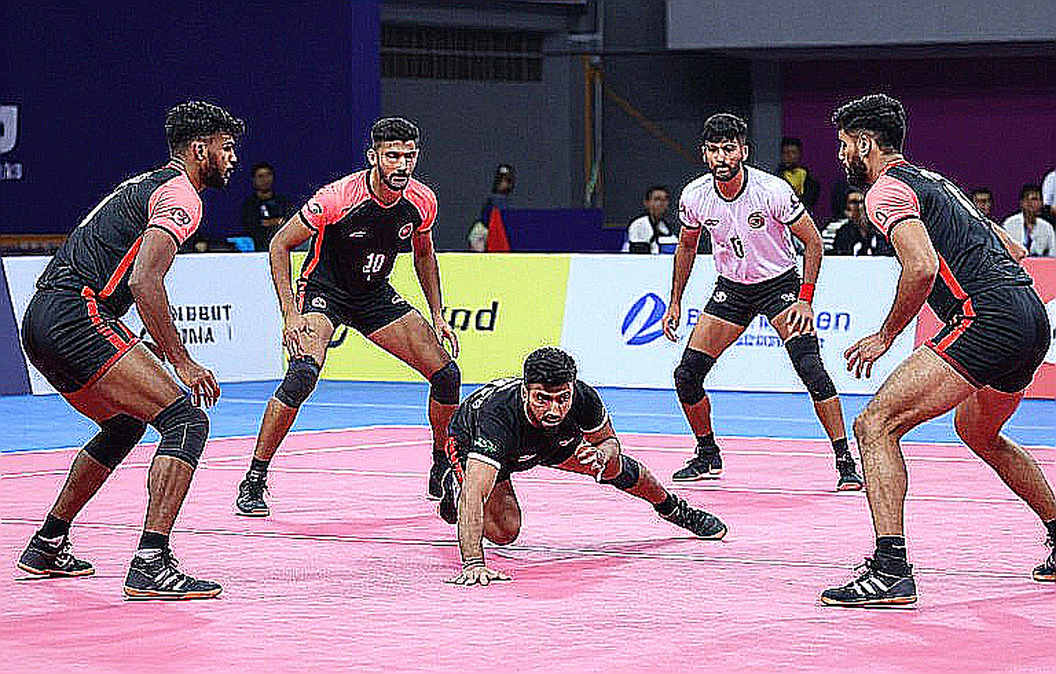
The second twist is that Pakistan's withdrawal is not just one team's decision but a question over the event's credibility. A new property whose very first edition is missing three major teams — Iran, Chinese Taipei and Pakistan — is a weak precedent for any future edition. If organisers cannot prove they can ensure field integrity, sponsors and broadcasters will be cautious too. The India-Pakistan fixture was the event's biggest commercial draw; its removal is a direct loss.
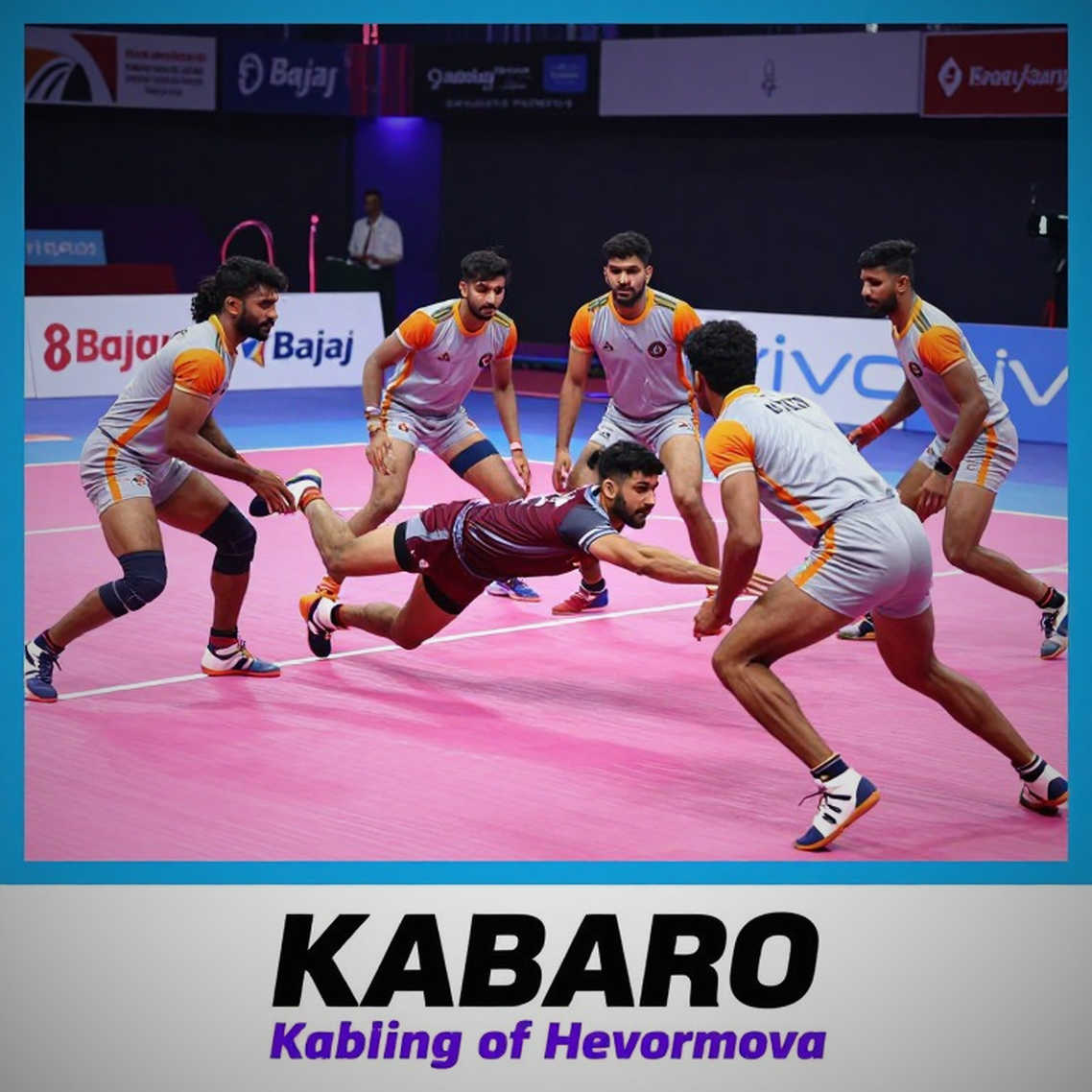
Third, and perhaps most important: not a single fact in this report is attributed to a source. No official proof of the event's existence, none of the Asian Games 2026 results, none of IKF recognition. In such a case, the reader must know that this news is a question, not an answer. And in journalism, asking questions is good, but when the question itself becomes the news and the answer goes missing, it stops being news and becomes an unresolved note.
Takeaway: When Does the Next Bus Arrive?
Matches will run at that Ahmedabad complex until October 31. India is the strong favourite for the title, and may well win it. But the real question is not who won. The real question is whether, the next time a 'Commonwealth Kabaddi Championship' is held, Pakistan's bus will be parked in that bay. And if not, will this event remain a closed-room game between India and its new rivals? The silence that was absent in the mixed zone this time will be present in the next entry list. And that silence speaks louder than any answer.