
VCT 2027: 15 Cities, 50+ Tournaments, and the Two Empty Windows Nobody Named
**मुख्य उत्तर**: Riot Games ने VCT 2027 का कैलेंडर 15 अक्टूबर को घोषित किया: नवंबर 2026 में Open Qualifiers, 14 जनवरी–7 फरवरी 2027 में Kickoff, 29 अप्रैल–23 मई में Cup 1, 5–29 अगस्त में Cup 2, और 16 सितंबर–10 अक्टूबर 2027 में ऑस्टिन में Champions तथा Game Changers Championship। पार्टनर टीमों को सीधी एंट्री केवल अपने क्षेत्रीय Kickoff में मिलेगी। **मुख्य तथ्य**: - 12 क्षेत्रीय ठिकाने घोषित; 15 शहरों का दावा दो अघोषित Masters स्थलों के बिना पूरा नहीं होता। - Kickoff (7 फरवरी 2027) और Cup 1 (29 अप्रैल 2027) के बीच 11.5 हफ्ते कोई घोषित Tier-1 मुकाबला नहीं। - चीनी पार्टनर संगठनों को Kickoff और Cups दोनों में न्योता; EMEA, अमेरिकाज और पैसिफिक पार्टनर को केवल Kickoff में। - सहायता राशि: प्रति क्वालिफिकेशन 1 लाख डॉलर, Masters पर 2 लाख डॉलर, ओपन टीम के Champions तक पहुँचने पर 4 लाख डॉलर। - Masters की तारीख, स्थल और फील्ड साइज़ तीनों अघोषित हैं। **स्रोत**: Sheep Esports / TheSpike.gg, 15 अक्टूबर की रिपोर्ट। **संबंधित प्रश्न-उत्तर**: प्रश्न: VCT 2027 में पार्टनर टीमों को क्या विशेषाधिकार है? उत्तर: केवल अपने क्षेत्रीय Kickoff में सीधी एंट्री, बाकी इवेंट्स के लिए उन्हें भी Open Qualifier मार्ग से जगह बनानी होगी। प्रश्न: VCT 2027 के Open Qualifiers कब शुरू होंगे? उत्तर: नवंबर 2026 में, जो Champions से करीब 14 महीने पहले रोस्टर लॉक तय करता है। प्रश्न: क्या इस घोषणा में पैच, एजेंट या मैप बदलाव की जानकारी है? उत्तर: नहीं, यह पूरी तरह कैलेंडर और प्रतियोगिता-ढांचे की घोषणा है और इसमें कोई गेमप्ले सामग्री नहीं है।
Open the VCT 2027 calendar and put your finger on the dates that are not there. Kickoff runs 14 January to 7 February 2027 across São Paulo, Berlin, Bangkok and Hangzhou. The next tier-1 VALORANT fixture is 29 April — Cup 1 in Mexico City. Eleven and a half weeks of nothing declared. Cup 1 closes on 23 May and Cup 2 does not open until 5 August: ten more weeks. Roughly twenty-two of the season's thirty declared weeks carry no scheduled tier-1 match at all. The story in the 15 October report carried by Sheep Esports and TheSpike.gg is not how many cities Riot picked. It is which weeks Riot left blank and did not name.
The structure reads in three parts. First, the shape of the season: Open Qualifiers in November 2026, Kickoff from 14 January to 7 February 2027, Cup 1 from 29 April to 23 May, Cup 2 from 5 to 29 August, and Champions running 16 September to 10 October 2027 in Austin alongside the Game Changers Championship. Twelve regional stops were named — Kickoff in São Paulo, Berlin, Bangkok and Hangzhou; Cup 1 in Mexico City, Warsaw, Manila and Wuhan; Cup 2 in Rio de Janeiro, Istanbul, Tokyo and Shanghai.
The second part matters more. Partner teams receive direct entry only into their regional Kickoff. After that they must fight for places at the remaining events against teams arriving through Open Qualifiers. Chinese partner organisations and visitor organisations receive invitations to Kickoff and to the Cups — a broader guarantee than any EMEA, Americas or Pacific partner team holds.
The third part is money, and it is drawing the least discussion. Riot is not merely granting places; it is funding participation: $100,000 per team for each Kickoff or Cup qualification, $200,000 for reaching Masters, $400,000 for an open team that reaches Champions, and $100,000 for every Game Changers Championship participant. Across a strong season that arithmetic clears $1.1 million.
The easy read is that Riot opened the system. It did. But the thing that changed most is not qualification — it is the price of partnership. From 2026 to 2026, a partner team meant a guaranteed league seat; in 2027 it means a head start in the queue, and a head start lasting exactly one event. This is not a calendar story. It is a franchise-value story. A club that spent three years pricing itself on the argument that it is permanently tier-1 now faces January as a guillotine: one bad month can end a season in February.
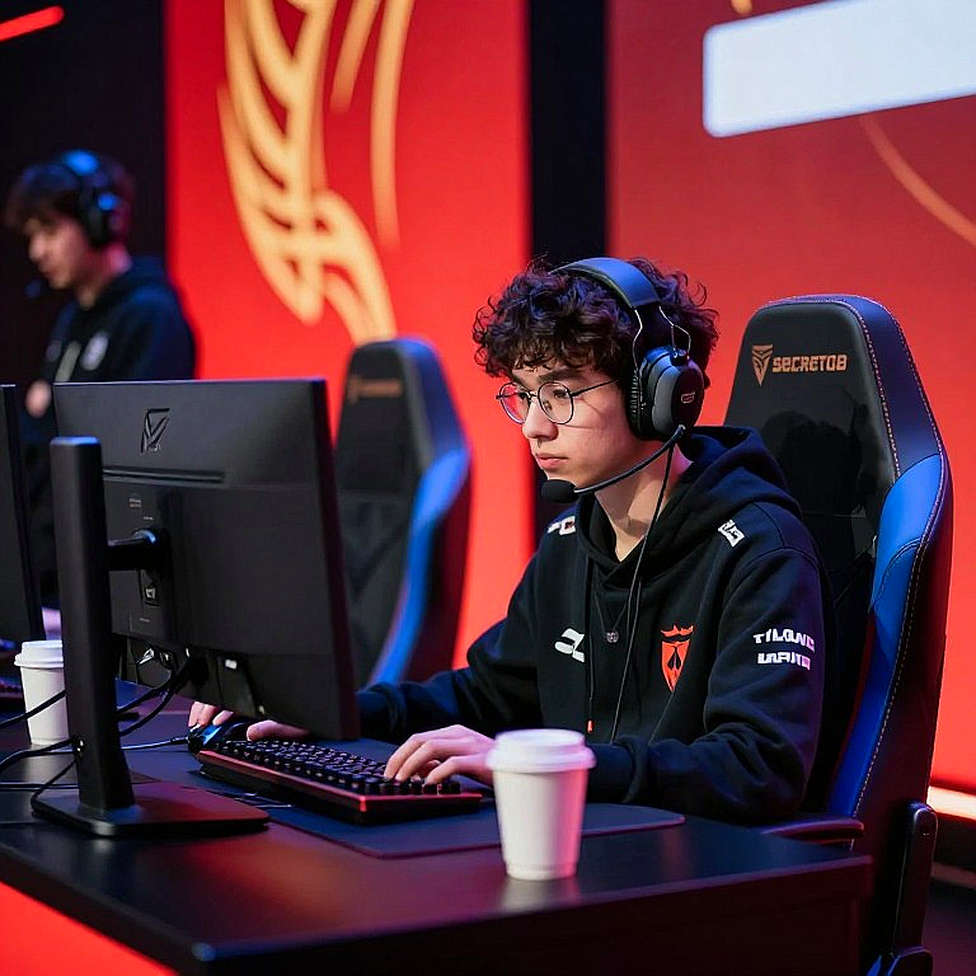
Second, the headline and the substance diverge. Fifty-plus tournaments across fifteen cities reads enormous. Count the competitive stages and there are four — Kickoff, Cup 1, Cup 2, Champions — with Masters above them. The remaining forty-odd events are almost certainly Open Qualifier brackets spread across sub-regions. Administratively real, not spectator product. Fifty-plus tournaments is an ecosystem-participation metric, not a content metric.
Third, and this sits at the top of my notebook: the fifteen-city figure reconciles only if two Masters are hosted in cities not yet named. The report gives twelve regional cities plus Austin — thirteen. Add two Masters and fifteen closes. The inference does not stand alone: the $200,000-per-team Masters support line and the $1.1 million season ceiling both point the same direction. Masters is declared, priced into the support architecture, and still missing its dates, its venues and its field size. The announcement's largest black hole is the stage receiving the most money.
Fourth, a question nobody has asked: what does six partner teams mean? Two readings exist. One — six per region, eighteen in total. Two — six across all three regions, two apiece. The first reading is a moderate contraction of the partner class; the second is close to abolition. The trial desk taught me how a name can be spelled three ways and still miss the squad. Here it runs backwards: one number can be read three ways and produce a different season each time. Until it resolves, no roster-planning conclusion is safe.
Fifth, China. Chinese organisations hold invitations to Kickoff and to the Cups. In an announcement about openness, the deepest protection went to the most closed class. That is not a contradiction; it is design. Shanghai, Hangzhou and Wuhan also host three of the twelve stops.

Sixth, the part that belongs to the kid who finishes scrims at two in the morning and wonders what next year looks like. Open Qualifiers begin in November 2026, which places roster locks roughly fourteen months before Champions. Partner teams can afford to wait; open-path teams cannot. I keep a notebook for transfers the way others keep a diary for weather, and this year it is splitting into two columns — a two-speed market.
The contrarian reading: the $100k, $200k, $400k ladder is not a prize-pool model, it is a stipend model. Riot is converting fixed obligations to clubs into per-appearance payments. Cheaper and more flexible for the publisher; the risk changes direction and lands in January. A team that would be good in April can be eliminated in February, because until April there is no route at all.
Second objection: in this open circuit the safest player is not the open qualifier. It is the Chinese partner-org player holding both Kickoff and Cup guarantees. A lakh teams, one stadium of phone lights, and the quiet arithmetic of belonging — all of it true, and the arithmetic still does not favour the names at the bottom of the bracket.
And those two empty windows. A sponsor sees white space in a calendar. A nineteen-year-old sees an empty practice room with no next match to prepare for. Eleven weeks and ten weeks are not a scheduling slip; they are the shape of a season no team can budget for.
What genuinely deserves admiration should be named too: $400,000 for an open team reaching Champions is a ladder this scene has never had. That is not a small thing, and burying it under the asterisk would be dishonest.
The question now belongs to Riot, and it is about candour rather than dates: will the two Masters sit inside those two windows? If yes, this calendar was published incomplete. If no, the circuit has been deliberately built around empty space. Series length — BO1, BO3, BO5 — and field sizes should arrive with that same answer, because the entire season of an open-qualifier team rests on that one decision. The stadium lights do not lie; they only make the silence look more expensive. In September 2027, when the phone lights go up in Austin, the answer will be visible there — but the question should be asked now, while it can still change.